Periodontal Treatment Ventura for Healthier Gums and Teeth

Healthy gums rarely get the attention they deserve until something starts to feel off. A little bleeding while brushing, persistent bad breath, tenderness near the gumline, or teeth that suddenly seem more sensitive than usual often get brushed aside as minor annoyances. In practice, those small signs can point to periodontal disease, a condition that affects the supporting structures around the teeth and can quietly progress for years.
When patients ask about Periodontal Treatment Ventura, they are usually not asking only about gums. They are asking whether their teeth can be saved, whether bone loss can be stopped, whether treatment will hurt, and whether the problem is going to keep coming back. Those are fair questions. Periodontal care is not cosmetic maintenance. It is a serious part of protecting oral health, comfort, and long-term function.
The encouraging part is that modern periodontal treatment is often very effective, especially when disease is identified before severe attachment loss occurs. Even in more advanced cases, thoughtful treatment can stabilize the mouth, reduce infection, improve daily comfort, and help people keep natural teeth much longer than they expected.
What periodontal disease really is
Periodontal disease is an inflammatory condition driven by bacterial biofilm, the sticky layer that forms on teeth and around the gums. Everyone develops plaque. The difference lies in how long it sits undisturbed, how the body responds to it, and whether it hardens into tartar below the gumline where a toothbrush and floss cannot reach.
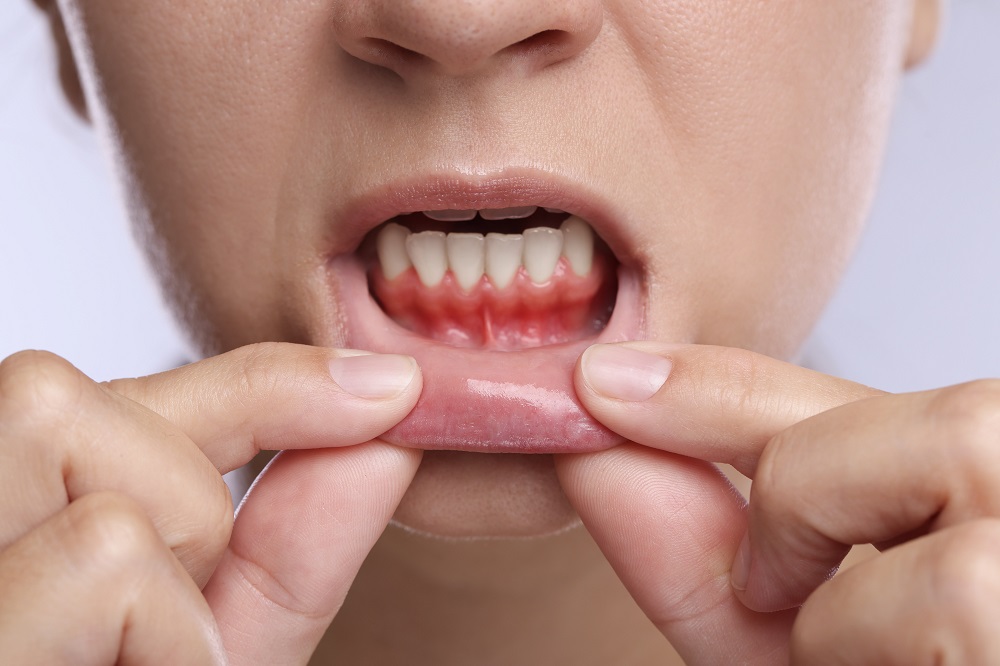
Gingivitis is the earliest stage. At this point, gums may appear red, puffy, or prone to bleeding, but the bone and connective tissues that support the teeth have not yet been permanently damaged. That distinction matters. Gingivitis is generally reversible with professional cleaning and improved home care.
Periodontitis is more serious. Once inflammation extends deeper, the body begins to lose attachment around the teeth. The gums can pull away, pockets can form, and supporting bone can deteriorate. That is when teeth may shift, loosen, or trap food more easily. Patients are often surprised to learn that gum disease can advance with very little pain. Cavities tend to announce themselves. Periodontal disease often does not.
In a coastal community like Ventura, where people stay active and value overall wellness, it is common to think of oral health as part of the larger picture, and that is the right instinct. Gum disease is not isolated from the rest of the body. Chronic oral inflammation has been associated with broader health concerns, particularly in people already managing diabetes, cardiovascular risk, smoking-related issues, or immune compromise. Responsible periodontal care looks at the mouth in context, not in isolation.
Why people in Ventura seek treatment later than they should
One pattern shows up often in real dental settings. Patients are diligent about brushing, they do not have cavities, and they assume that means everything is fine. Then a periodontal charting exam shows four, five, or six millimeter pockets, bleeding in multiple areas, and localized bone loss on radiographs. They are caught off guard because they have not felt obvious pain.
Another common delay comes from misreading symptoms. People see blood in the sink after flossing and assume they just flossed too hard. In reality, healthy gums usually do not bleed from gentle brushing or flossing. Bleeding is often inflammation announcing itself.
There is also a practical issue. Periodontal disease can develop slowly enough that changes feel normal. A person gets used to chronic bad breath, or they stop chewing on one side because a back tooth feels odd, or they notice slightly longer-looking teeth in photos and never connect that to gum recession. These are the kinds of subtle shifts that make routine periodontal evaluation so important.
Signs that should not be ignored
A short checklist can help separate harmless irritation from a problem that deserves prompt attention. Seek a dental evaluation if you notice any of the following:
- Bleeding gums during brushing or flossing that happens repeatedly
- Persistent bad breath or an unpleasant taste that does not resolve
- Gum recession, teeth that look longer, or spaces that are changing
- Tender, swollen, or puffy gums, especially around certain teeth
- Loose teeth, shifting bite, or pressure when chewing
None of these signs automatically means advanced periodontitis, but each one warrants a proper examination.
How periodontal problems are diagnosed
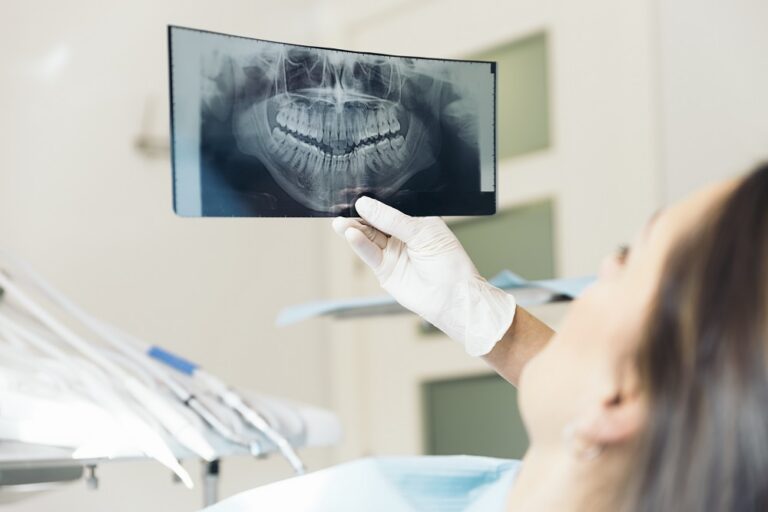
A thorough periodontal evaluation involves more than a quick look at the gums. It usually includes measurement of pocket depths around each tooth, assessment of bleeding points, gum recession, tooth mobility, bite forces, and radiographic review of the supporting bone. This is one area where details matter. Two patients can both be told they have gum disease, yet one may need only non-surgical therapy while the other may require specialist care and long-term maintenance.
Pocket depth numbers help reveal where infection may be hiding. In broad terms, shallower healthy crevices are easier to keep clean. As pockets deepen, oxygen levels change, more aggressive bacteria can thrive, and home care becomes less effective. Bone levels on X-rays add another piece of the story. If there is vertical bone loss around isolated teeth, the treatment plan may differ from a case involving generalized horizontal bone loss across the whole mouth.
Good diagnosis also looks for contributing factors. Smoking remains one of the most important risk factors for periodontal breakdown and poor healing. Uncontrolled diabetes can worsen inflammatory response and delay recovery. Grinding and clenching can intensify mobility or trauma around compromised teeth. Dry mouth, certain medications, crowded teeth, old restorative margins, and a history of inconsistent cleanings can all play a role.
What Periodontal Treatment Ventura often includes
Treatment is tailored to disease severity, anatomy, medical history, and patient habits. That is why two neighbors in Ventura can both hear the phrase “periodontal treatment” and end up with very different care plans.
In many cases, the first phase is non-surgical periodontal therapy, often called scaling and root planing. This is a deeper cleaning focused on removing plaque, tartar, and bacterial deposits from above and below the gumline, then smoothing root surfaces to help tissue reattach and reduce bacterial retention. Depending on the extent of disease, treatment may be completed in sections, sometimes with local anesthetic for comfort.
Patients often ask whether scaling and root planing is “just a cleaning.” It is not. A routine prophylaxis cleans the visible surfaces of teeth in a generally healthy mouth. Periodontal therapy treats active infection in areas that are deeper, more inflamed, and biologically different. The goals are reduction of bacterial load, disruption of inflammation, and stabilization of the attachment apparatus.
Some patients benefit from locally delivered antimicrobial agents placed into specific pockets after debridement. Others may need adjustment of overhanging fillings or crowns that trap plaque, or guidance on changing home-care tools so the daily routine actually reaches problem areas.
After initial therapy, reevaluation is critical. This is where the real picture emerges. Inflamed tissues can shrink, bleeding can decrease, and pocket depths may improve once deposits are removed and home care improves. If certain areas remain deep or continue bleeding, additional intervention may be recommended.
When a periodontist becomes part of the plan
General dentists manage a substantial amount of periodontal care, especially early to moderate disease. A periodontist, however, has advanced training in gum disease, surgical therapy, regenerative procedures, and complex maintenance cases. Referral is often appropriate when bone loss is advanced, pockets remain deep after initial treatment, recession is significant, or tooth prognosis is uncertain.
This is not a sign that something has gone wrong. It is often the best way to preserve teeth. In fact, the earlier a specialist is involved in a severe case, the more options are usually available.
Surgical periodontal treatment can sound intimidating, but the purpose is practical. In some situations, surgery allows direct access to roots and bone defects that cannot be adequately treated with non-surgical methods alone. In others, regenerative materials may help encourage repair in carefully selected defects. Gum grafting may be recommended where recession leaves roots exposed, sensitivity high, or tissue quality too thin to remain stable.
A realistic clinician will also discuss limitations. Not every lost millimeter of bone can be rebuilt. Not every tooth with mobility can be predictably saved. Sound treatment planning means balancing ideal goals with biology, comfort, cost, and long-term maintainability.
What treatment feels like, before, during, and after
Fear keeps plenty of people from scheduling care. Most are imagining far more discomfort than they are likely to experience.
During scaling and root planing, local anesthetic is commonly used where needed, especially in inflamed or deeper areas. Patients often feel vibration, pressure, and water, but not sharp pain. Some prefer treatment by quadrant over several visits, which keeps each appointment manageable and allows them to chew normally on untreated areas between sessions.
After treatment, mild tenderness or temporary sensitivity is common for a few days. Gums may feel different as swelling goes down, and spaces between teeth can seem more noticeable because inflamed tissue has tightened rather than because damage was created. That distinction is important. Proper treatment reveals the true contours of the teeth and gums. It does not create disease, even if the mouth looks less puffy afterward.
Recovery from periodontal surgery varies more. Many patients do well with a few days of soft food, careful cleaning instructions, and prescribed or recommended medications. The first week generally calls for a slower pace, but it is rarely as dramatic as people fear.
The home-care habits that make treatment succeed
Professional treatment removes infection that has taken hold below the gumline, but daily habits determine whether those gains hold. The patients who do best are not always the ones with the fanciest gadgets. They are the ones who are consistent.
A practical home routine usually includes these essentials:
- Brush thoroughly twice a day with a soft-bristled brush or quality electric brush
- Clean between teeth daily with floss, interdental brushes, or another tool suited to the spacing
- Use any prescribed rinse or medicated product exactly as directed
- Keep periodontal maintenance visits on schedule rather than waiting for symptoms
- Address risk factors such as smoking, dry mouth, or uncontrolled blood sugar
Technique matters as much as frequency. Someone can brush two minutes twice a day and still miss the gumline completely. A clinician or hygienist who takes a few minutes to personalize the method often makes a bigger difference than any product recommendation.
Why maintenance is not optional
One of the most misunderstood aspects of periodontal care is what happens after active treatment. Patients often assume that once scaling and root planing or surgery is complete, they can return to standard six-month cleanings forever. Sometimes that is possible, but many periodontal patients need maintenance every three or four months, at least for a period of time.
That schedule is not arbitrary. Periodontal pockets can repopulate with harmful bacteria surprisingly quickly. Frequent maintenance helps disrupt that cycle before inflammation regains momentum. It also allows the clinical team to monitor bleeding, pocket changes, mobility, recession, and home-care effectiveness.
This is where experience shapes recommendations. A person with minimal bone loss, excellent oral hygiene, and no smoking history may remain stable on a less intensive recall interval after a stretch of good results. A patient with deeper residual pockets, diabetes, and inconsistent home care usually needs closer supervision. Good periodontal treatment is responsive, not formulaic.
The connection between gum health and tooth retention
People often think of tooth loss as an issue of aging. Age can be a factor, but periodontal breakdown is one of the major reasons adults lose teeth. Once support is compromised enough, even a tooth without decay can become difficult to save.
The opposite is also true. Thoughtful periodontal treatment can extend the life of natural teeth for many years. That matters for chewing function, speech, bite stability, and cost control. Replacing a lost tooth with an implant, bridge, or removable prosthetic is far more involved than preserving a natural tooth whenever the prognosis is reasonable.
There is a clinical judgment here that deserves honesty. Saving every tooth at any cost is not always wise. A severely compromised tooth with advanced bone loss, repeated infection, or fracture may drain time and money while threatening neighboring areas. The best providers discuss prognosis plainly. Sometimes the healthiest long-term plan involves saving most teeth and strategically removing one or https://maps.app.goo.gl/ChfJKu9PFXzaNGje8 two that cannot be maintained.
Recession, sensitivity, and the cosmetic side of periodontal care
Not every periodontal issue starts with deep infection. Some Ventura patients seek care because their gums are receding, teeth look longer, or cold drinks sting along exposed roots. Recession can occur alongside periodontitis, but it can also arise from aggressive brushing, thin tissue, orthodontic movement, bite trauma, or anatomical factors.
Treatment depends on the cause. If recession is stable and cleanable, monitoring and desensitizing strategies may be enough. If roots are exposed and the tissue is thin or worsening, a graft may be recommended to add thickness and improve resilience. Cosmetic benefit can be part of the outcome, but the deeper purpose is often functional, reducing sensitivity, improving plaque control, and protecting the root surface.
This is one reason periodontal care should not be reduced to a single phrase or a single procedure. Gum health affects comfort, appearance, and structural stability all at once.
Cost, value, and why delay often becomes expensive
Periodontal treatment costs vary based on disease severity, number of involved areas, whether surgery is required, imaging needs, and maintenance frequency afterward. Exact numbers depend on the practice and the case, but one principle is consistent across settings: earlier treatment is usually simpler and less expensive than managing advanced disease later.
A patient who addresses gingivitis or mild periodontitis may need localized therapy, better home care, and routine follow-up. A patient who waits until teeth are mobile may face deep cleanings, surgery, extractions, grafting, replacement options, and years of close maintenance. The price difference can be substantial.
There is also the hidden cost of delay. Difficulty chewing, chronic inflammation, sensitivity, embarrassment about breath or appearance, and repeated emergency visits all affect daily life. Oral disease has a way of becoming both medical and practical.
What to look for when choosing care in Ventura
Ventura patients have options, which is a good thing, but not every office approaches periodontal disease with the same depth. The right fit is usually a practice that combines careful diagnosis, clear communication, and a willingness to tailor treatment rather than oversell it.
Pay attention to how the exam is handled. Are pocket measurements actually being taken and explained? Are radiographs reviewed in a way that helps you understand bone support? Are risk factors discussed, or is treatment presented like a generic package? Strong periodontal care is rarely rushed. It leaves room for questions and gives patients a realistic sense of what improvement looks like.
A good provider also explains maintenance from the start. If an office talks confidently about deep cleaning but barely mentions reevaluation or ongoing periodontal maintenance, that is a gap worth noticing. Long-term stability matters more than a single procedure code.
The outlook for healthier gums and stronger teeth
Periodontal disease can feel discouraging when you first hear the diagnosis, especially if you thought you were doing everything right. Yet many patients achieve excellent stability once the problem is properly treated and their routine becomes more targeted. Bleeding often improves quickly. Breath can improve. Tenderness eases. Pockets may reduce. Teeth that once felt vulnerable can remain functional for years.
The key is to treat gum disease as the chronic condition it often is. It responds well to informed care, but it also requires respect. A one-time effort rarely solves it for good. Consistent monitoring, professional maintenance, and disciplined home care are what turn treatment into lasting health.
For anyone searching for Periodontal Treatment Ventura, the goal should be more than a cleaner mouth at the next appointment. The real goal is a stable foundation, gums that do not chronically bleed, bone that is protected as much as possible, and teeth that stay comfortable and useful over time. That is what healthier gums and teeth actually mean in day-to-day life.
Avra Dental
Address: 1708 S Victoria Ave B, Ventura, CA 93003
Phone number: (805) 941-1001
FAQ About Periodontal Treatment Ventura
Can a dentist get rid of periodontal disease?
A dentist or gum specialist (periodontist) cannot fully cure or reverse advanced periodontal disease (periodontitis), but they can successfully stop its progression and manage the infection.
Is periodontitis very serious?
Yes, periodontitis is a very serious, advanced form of gum disease that destroys the bone and tissues supporting your teeth.
How is stage 2 periodontal disease treated?
Stage 2 periodontal disease (early to moderate periodontitis) is primarily treated with non-surgical deep cleaning procedures like scaling and root planing to remove bacteria and tartar below the gumline.